

5B Aquariums Supplies
Red Root Floaters 4 Oz. Portion
Red Root Floaters 4 Oz. Portion
Couldn't load pickup availability
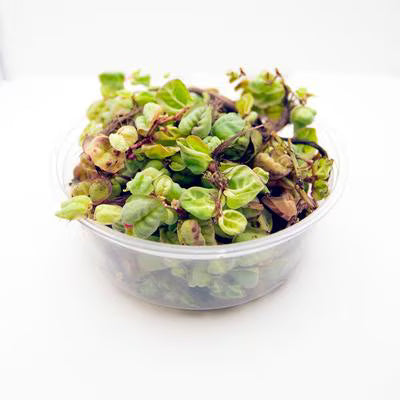
Red Root Floaters, or Phyllanthus Fluitans, are a freshwater floating fern plant known in the aquascaping game for their unique look, deep red roots, and easy care. These highly sought-after floaters are known as the “Red Root Floater” because of their remarkable & stunningly red roots. Although Red Root Floaters appear similar to green Salvinia floaters, the leaves are a bit larger and can turn a deep red color. It can also sometimes be misidentified as immature Water Lettuce.
These floaters are not difficult to grow in any aquarium. In nature, they are found in tropical, stagnant water habitats such as canals and rivers in South America. They are considered to be a must-have for open low-tech aquariums and paludariums with gentle water flow.
Red Root Floaters aren’t just nice to look at, they’re extremely easy to care for as well. Aquarium substrate is not required for this plant.
Although these floaters are known for simply being spread atop the surface of water in aquariums, they can also grow on muddied and wet substrate. Most prefer the decorative way it will cover the surface of their tank. To “plant,” simply place them on the water’s surface and let them do their own thing.
Once this hardy plant has adjusted, then it will propogate easily by producing seeds or using the runners that grow. The side shoots will branch out and break into more floaters that will swiftly cover the surface of your tank. You can also split off the smaller (daughter) plants to encourage new growth in other areas or a different tank.
Although Red Root Floaters can thrive in most pH conditions, it will thrive best with a water pH between 6.5 - 7.5. Water pH will depend on how much light you would like to give your floaters (explained below). Water temperatures between 70 F to 82 F are recommended.
- Lighting: High lighting is necessary to bring out the deepest red, while lower light results in green, with green-red leaves.
- Water Movement: They prefer low-flow, calm water and are sensitive to heavy surface agitation, which can cause them to sink and die.
- Environment: They do well in open-top tanks, as they dislike constant water dripping on their leaves.
- Nutrients: They are excellent at absorbing nitrates and excess nutrients, helping to maintain water quality.
- Propagation: They propagate quickly via side shoots, allowing them to rapidly carpet the surface.
Share